Oregon City homes ask a great deal from their hot water heater. Wintertime early mornings suggest outlet temperatures near the mid‑40s, which forces equipment to work hard. Summer season brings sediment churned up by river degrees and community line job. Include older neighborhoods with galvanized stubs, a mix of electric and gas supply, and a raising variety of accessory home devices, and you have a landscape where "set it and neglect it" quickly develops into a cold shower and a surprise expense. With a little maintenance, planning, and the appropriate help, you can extend the life of your heating unit and keep running costs in check.
The regional context that forms performance
A specialist can inform you what the owner's manual says. Living and operating in Clackamas Region fills in the real‑world context. Municipal water below is generally soft to moderately hard, however pockets of harder water show up depending upon street and age of service line. Tougher water speeds up scale formation on components and warmth exchangers. Oregon City also sees seasonal turbidity from supply changes and line flushing, which drops sediment into storage tanks and strainers.
Ventilation and combustion air matter in homes developed prior to modern energy codes. Many cellars are tighter than they made use of to be after window and insulation upgrades, which changes just how atmospheric gas water heaters draft. I see much more backdrafting in winter season when clothes dryers and bathroom followers pull your house unfavorable. Tankless units add an additional layer, because their high input rates require appropriate gas sizing and venting that older residences were never made for. Place all that together and you comprehend why neighborhood water heater solutions focus as much on installation conditions and upkeep as on the appliance itself.
How long a hot water heater ought to last here
Ten years is the number many people hear, and it's not wrong for a normal tank. In practice, I see these ranges:
- Standard tank, gas or electric: 8 to 12 years if maintained, 6 to 8 if disregarded or in tough water without anode replacement. High efficiency tank (power‑vented, much better insulation): 10 to 14 years with regular service. Tankless gas: 15 to 20 years if descaled yearly or biannually and set up with correct water treatment.
The "if" in those arrays is doing the hefty training. I have actually transformed anodes at year 5 and taken a tank to year thirteen without a drip. I've likewise transported out a seven‑year‑old container that rusted with since the anode was gone by year 3 and no one purged debris. Devices top quality matters, yet in Oregon City, water problems and upkeep technique matter more.
What counts as genuine maintenance
There's a distinction in between inspecting a relief valve once in a blue moon and a total solution. An excellent water heater service call aims to prevent leaks, keep performance near factory numbers, and confirm security. Here's what that looks like in reliable detail, whether for a container or tankless unit.
For tank‑type heating systems, the essentials are simple. Inspect the temperature and stress relief valve for rust and function, and exercise the lever to validate it opens and reseats. Drain pipes a couple of gallons from the storage tank to search for sediment, after that execute an even more comprehensive flush if circulation is hefty with grit. Examine the anode pole by loosening the hex head and lifting it just enough to inspect; if it's down to a steel core, replace it. For electrical systems, examination both elements for resistance and connection, then inspect thermostats for calibration. For gas models, clean the heater and fire arrestor, confirm fire shade, and examine manifold stress. On any type of tank, confirm the expansion storage tank exists where required and holds fee, after that inspect dielectric unions and any type of exposed galvanized for corrosion.
For tankless units, maintenance concentrates on circulation and warm exchange. Tidy the inlet filter and any external filters, and examine the condensate catch on condensing versions. Descale the heat exchanger with a light citric solution until pH returns near to neutral, usually 45 to 60 mins. Confirm gas input with a manometer while the unit is at full fire, then inspect temperature level increase across a well-known flow. Check venting for slope and joint integrity, considering that condensing exhaust will certainly leakage at the smallest flaw. Lastly, validate firmware settings, recirculation criteria if existing, and set electrical outlet temperature level proper to the home's mixing shutoffs and component types.
None of this is exotic, but missing also one action can reduce the life of a heater or develop a security danger. I've found pressure safety valve that never ever opened, coated in mineral buildup. I have actually seen electric aspects limed over so terribly that they short cycle and trip breakers. In tankless devices, a stopped up inlet display cuts circulation to a trickle and makes individuals believe the heater "can't maintain" when all it requires is a cleaning.
The solution cadence that in fact works
Annual maintenance is the standard most suppliers publish. Neighborhood water top quality and use need to change that. Families that do a lot of washing, have multiple teenagers, or utilize high‑volume soaking tubs push more water through the heating system and mix more sediment. Immersion components on electric models gather scale quicker when water is tough and the thermostat is set high. Tankless heating systems reveal it most clearly: descaling every year for typical use, every 6 to 9 months in hard water zones or heavy‑use households.
If you desire a rule of thumb, routine a full service each year for tankless systems, and for storage tank versions every 12 to 18 months with an anode check at year three and again every 2 years afterwards. New mounts must constantly obtain a 12‑month check no matter kind, mainly to confirm combustion settings and make certain that development control is doing its job.
Safety first: the checks that prevent emergencies
Water heaters are safe when they are installed appropriately and maintained. Problems have a tendency to substance: a stuck safety valve becomes a situation just when coupled with a runaway thermostat, an unsuccessful control, or a closed system without an expansion container. Below's what I never skip.
Combustion safety and security on gas devices suggests verifying draft, validating carbon monoxide levels at the exhaust, and looking for splilling at startup. A basement utility room with a new clothes dryer can tip the equilibrium. I make use of a mirror and a carbon monoxide screen, and I watch the fire throughout fan and exhaust changes in the home. If draft is marginal, a power‑vented device or much better burning air provision might be the appropriate call.
Electrical safety on electrical containers is simpler however just as essential. Tighten connections at the junction box, examination for proper voltage, and make sure the bonding jumper exists if needed by the assessor at the time of install. Look for scorched insulation at the aspect terminals, particularly on budget plan components that loosen over time.
Scald protection requires interest when individuals transform shower shutoffs or remove tempering shutoffs without comprehending the danger. In homes with little ones or older adults, I do not established above 120 Fahrenheit unless there is a point‑of‑use tempering strategy.
Seismic strapping is not optional below. I still discover containers with one strap or loosened lag screws into drywall. 2 bands, effectively anchored right into studs, with the lower strap on the reduced third of the storage tank, not simply hugging the top. Earthquakes might be uncommon, however the damage from a toppled container is not theoretical.
Cost varies you can intend around
Prices drift with supply chain modifications and brand choice, yet after dozens of installs and hundreds of solution hire the area, the numbers clear up right into trustworthy varieties. These are common for Oregon City and nearby communities.
For upkeep, anticipate 150 to 300 dollars for a conventional service on a storage tank. Replacing an anode pole adds 80 to 200 bucks for the part depending on kind, plus some labor. A complete tankless solution with descaling, filter cleaning, and burning checks typically lands between 250 and 450 bucks, climbing if isolation shutoffs were not set up and need to be added.
For repair services, basic components like a gas control or thermostat usually run 200 to 400 bucks mounted. Electric elements and thermostats typically drop in the 150 to 300 dollar array. Leak repairs come to be extra variable: a stopped working drainpipe shutoff is uncomplicated, but a rusty nipple area in a confined chase can turn into half a day of labor.
For replacement, a standard 40 or 50 gallon gas container mounted in place of a similar device frequently drops between 1,600 and 2,800 dollars, consisting of authorizations, haul‑away, brand-new flex adapters, frying pan, and basic code updates. Electric storage tanks normally run 1,500 to 2,500 bucks. Power‑vented storage tanks land higher, commonly 2,800 to 4,200 bucks due to airing vent and condensate management.
For tankless water heater installation, prices depends upon gas line sizing, airing vent course, and condensate. A straight swap where a tankless already exists can be 2,800 to 4,200 dollars. Transforming from a tank to tankless usually runs 3,800 to 6,500 dollars, and it can go beyond that if the gas meter needs an upgrade or if long air vent runs need wall surface infiltrations and ending up. Including recirculation, either dedicated return or crossover valves, increases cost yet solves long haul times for warm water in rambling flooring plans.
Tax debts and energy refunds change year by year. Heatpump water heaters commonly receive incentives that make their internet expense competitive with power‑vented gas models. When budget plans and electric capacity permit, I urge customers to check out lifetime price and not simply the price tag on the install.
Tank vs tankless: the trade‑offs without the hype
It's easy to get caught in advertising and marketing assurances. Both kinds have toughness and weak points, and the right option depends upon the home and the people living in it.
Storage tanks are simple, flexible, and low-cost to preserve. They provide a steady circulation of warm water until the saved quantity and recovery capacity are tired. In a home with foreseeable regimens https://principledplumbing.com/service-area/plumbing-services-in-portland-oregon/ and modest peak need, an effectively sized tank simply works. The disadvantage is standby loss. Also well protected storage tanks lose warmth, and in a colder cellar the heater or components run to maintain. Tanks likewise take flooring area, which matters in little homes or when sculpting a shower room from an utility room.
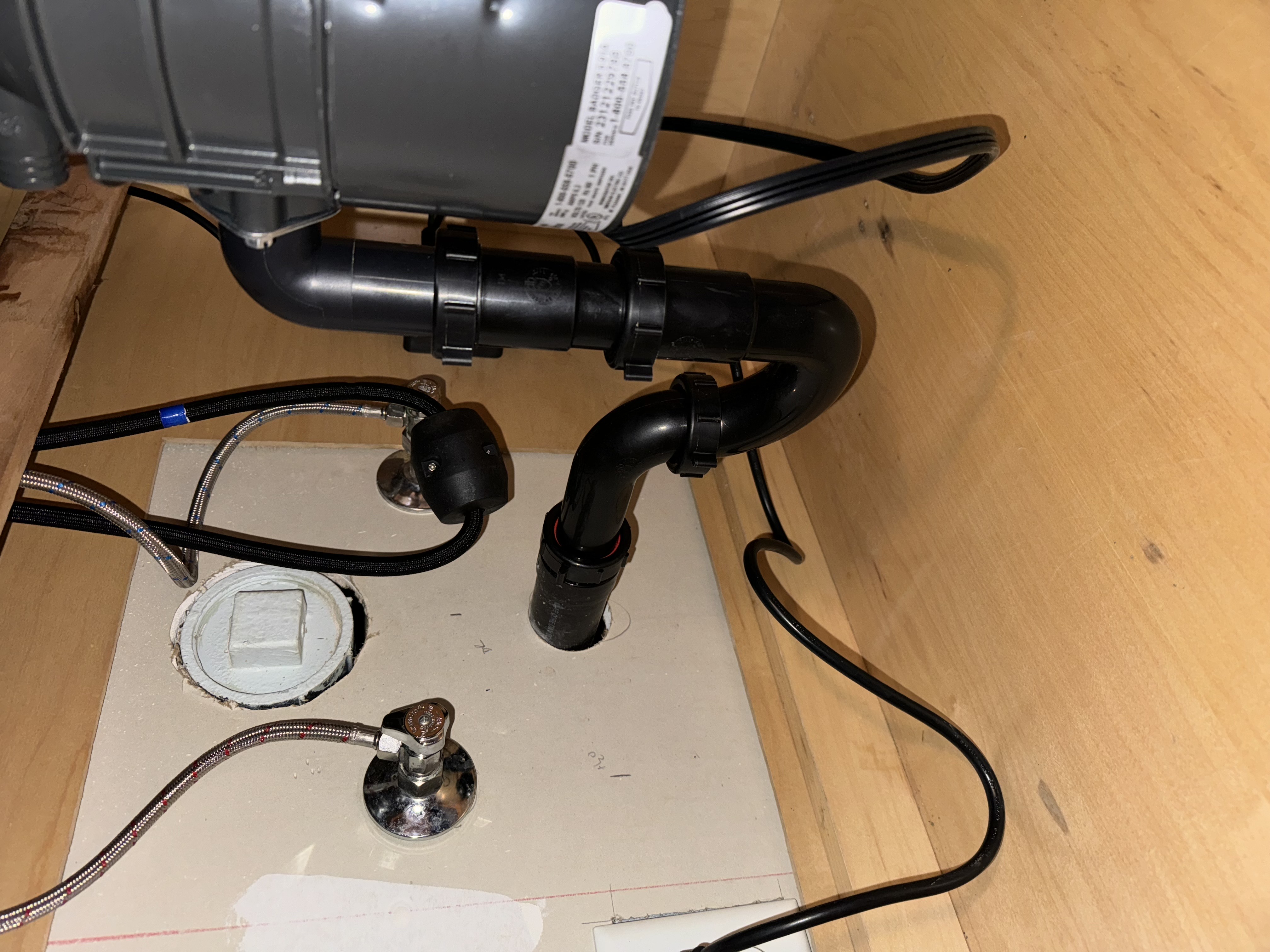
Tankless systems stand out at making hot water on demand, which saves standby power and offers endless showers in theory. In practice, water temperature level and circulation are connected to the unit's ability and the incoming temperature level. On a January early morning with 42 level inlet water, a mid‑size device will certainly make 2.5 to 3.0 gallons per min at 120 levels. Two showers and a dishwashing machine can exceed that. Appropriate sizing and reasonable assumptions fix most dissatisfactions. Maintenance is much more constant, and tough water penalizes warmth exchangers that never see descaling. Setup is a lot more included: larger gas lines, stainless airing vent, and condensate handling above efficiency models. When mounted well, tankless is a pleasure, especially paired with a wise recirculation technique that prevents running taps momentarily while the heater wakes up.
Heat pump water heaters deserve a reference since they quietly munch away at operating expenses. They use ambient air to heat water, which evaporates the room. In a basement, that's a perk in summer. They are taller, hum while running, and prefer spaces with adequate air quantity. Operating expense is commonly half to one third of a typical electric storage tank. Incentives can change the math significantly.
Practical maintenance you can do, and what to leave to pros
Homeowners can deal with small tasks. Turn the temperature level to a secure setting. Keep the area around the heating unit clear so air steps openly and flammable materials don't creep close. On storage tanks, drain a container every few months from the drainpipe shutoff to see what's coming out. On tankless systems, clean the inlet filter if the producer makes it obtainable without opening sealed compartments.
Leave gas job, anode replacement on persistent hex heads, and complete descaling to pros unless you've done it before and have the right tools. Cross‑threading a suitable or breaking a storage tank nipple costs more than a solution call. Combustion checks require instruments. If you see rust touches down the side of the tank, water under the system, proof of backdrafting, or mistake codes on a tankless screen, require solution quicker as opposed to later.
What an extensive solution see in Oregon City includes
Outcomes matter more than checklists, yet a great check out does adhere to a rhythm. The tech needs to confirm version and identification numbers, note capability and year of manufacture, and paper code conformity items. Water pressure gets determined at a pipe bib and once again after the pressure regulatory authority if one is installed. If fixed pressure runs over 80 psi, that causes a discussion concerning a regulator and growth control, given that high stress increases wear and creates relief valves to weep.
For a gas tank, expect a full burning observation, a burner cleaning if required, and a fire arrestor brush‑through on FVIR designs. The technology must check vent connections and draft hood positioning, then carry out a draft test. For electrical containers, both components must be ohm‑tested and the thermostats checked for correct cut in and cut out. On any type of tank, the anode gets evaluated. Magnesium rods protect well however can create smell in low‑use systems. Light weight aluminum or aluminum/zinc poles lower odor, but they secure a little much less aggressively. Powered anodes address smell and secure well, yet they set you back even more and need power.
For tankless, the standout is descaling. The tech should separate the unit, flow a descaling solution with a small pump, flush until clear, and reduce the effects of discharge if sending to a septic system. Gas pressure need to be examined under full fire. Static readings suggest little without circulation. Airing vent ought to be checked from the unit to the discontinuation, consisting of condensate drains and neutralizer media if installed. If the home has recirculation, the tech needs to confirm pump procedure, check the timer or controls, and ensure crossover valves are positioned and working where needed.
Good documentation issues. You should get a service report with analyses and notes, not simply "cleansed and checked."
Preventing typical failures prior to they start
Most failings I see started as little problems. A sluggish leakage at a dielectric union wears away strings that crumble a year later on. A weeping safety valve deposits mineral crust that prevents a good seal, which welcomes a lot more crying. A tankless error code blamed on electronic devices turns out to be a stopped up inlet screen and a gas meter undersized for a brand-new variety and the heating unit shooting at the same time.
If you intend to be proactive, address 4 things. Keep system stress between 55 and 70 psi with a high quality regulator, and pair a regulatory authority with a development storage tank on shut systems. Mind water quality. If you have firmness over 8 grains per gallon, consider a softener or at the very least a range decrease device upstream of a tankless system. Airing vent is entitled to interest throughout remodels. A brand-new range hood or tighter structure shell can distress combustion equilibrium. Finally, plan substitute before failure. When a storage tank begins rusting or a tankless warmth exchanger leakages, you are on the clock and options narrow.
When replacement beats repair
I'm usually asked whether it's worth investing 400 dollars on a seven‑year‑old container with a dripping drainpipe valve and wore away links. If the storage tank covering is strong, strings are undamaged, and there's no proof of rust at the seams, a fixing gets time. If there's rust at the base or repeated temperature level and pressure relief valve discharges, it's wiser to put that cash toward a brand-new unit.
For tankless heating systems, mistake codes linked to sensors and circulation switches are worth repairing. Repeated scale‑related failings also after appropriate descaling point to a water top quality inequality. Then, either treat the water or modification equipment. A broken heat exchanger normally implies substitute, since the component and labor can approach the rate of a brand-new unit, and you still have an older control panel and fan.
Age and danger weigh greatly. If a tank sits above finished space or over wood floors, the expense of a leakage towers over the rate of a brand-new heating system. I have actually changed completely functional eleven‑year‑old storage tanks for that reason, and the homeowners slept better.
Energy use and what you can in fact save
Numbers on tags are theoretical. In practice, financial savings rely on usage, setpoint, and ambient conditions. Switching from a standard electric tank to a heat pump water heater can cut water home heating energy by 50 to 65 percent, which in a normal Oregon City household might suggest 200 to 400 dollars a year at present rates. Gas containers to tankless can cut 15 to 30 percent off gas use for water home heating if standby losses were a substantial section of intake and if warm water behaviors do not enhance because "it's unlimited currently." Recirculation boosts convenience however can erase cost savings if it runs constantly. Smart manages or need recirculation, turned on by a button or tenancy sensor, strike the balance.
Insulating hot water lines in obtainable areas aids. I have actually measured a 5 to 10 level renovation at remote faucets and much shorter delay times. It's economical and peaceful in the background, unlike much more noticeable upgrades.
Picking a service provider who will certainly still be addressing the phone following year
Look past the ad duplicate. Ask what a solution go to consists of and for how long it takes. A 20‑minute "tune‑up" is not an actual upkeep session. Confirm that the company pulls licenses for substitutes, carries a manometer on the truck, and can explain just how they confirm draft or examination aspects. If you are converting to tankless, ask what size gas line they will run and exactly how they identify ability. You desire a clear response regarding determining pressure at full fire. On tankless hot water heater installation, demand seclusion valves with service ports. Avoiding those to conserve a couple of dollars now assures higher upkeep costs later.
It helps to work with someone who knows local examiners, given that small code preferences differ even across nearby jurisdictions. A pro who recognizes which vent terminations an examiner prefers in your community conserves you a 2nd check out and an adjustment order.
A basic seasonal regimen for Oregon City homes
Even with professional solution, a seasonal rhythm aids capture concerns early.
- Early loss: Verify seismic straps are limited, clear clutter, established the hot water heater temperature to 120 to 125 F, and test the stress relief valve briefly for movement. Early springtime: Drain a few gallons from the storage tank to look for debris, clean the tankless inlet filter if appropriate, and inspect the growth storage tank cost with the system depressurized.
Those two little checkpoints, plus an annual professional service, maintain most systems out of trouble.
The profits for homeowners
Water heating systems do not require heroics, just stable interest and notified selections. In Oregon City, the tools works against trendy inlet temperature levels, differed water high quality, and houses that weren't always designed for modern-day venting or gas tons. If you set up routine hot water heater service, maintain system pressure in a secure variety, and strategy ahead for substitute, your opportunities of an unexpected failing drop sharply. When modifications make good sense, such as moving to a heat pump or investing in a properly sized tankless system with recirculation, do it with eyes open up to installation facts and upkeep needs.
A well‑maintained storage tank can serve a family members for a decade or more. A well‑maintained tankless device can lug a home through twenty years. In both situations, the price of routine solution is small contrasted to the expense and disturbance of emergency replacements and water damage. And when you find a company that deals with the job as more than a checklist, maintain them. The relationship, greater than the brand name on the coat, is what maintains your showers hot and your floorings dry.